Ways to own real estate in Naperville
Detached, townhome, condo, multi-unit, living with an HOA or condo association, owner-occupied multi-unit, new construction and land, and how title is held.
Detached, townhome, condo, multi-unit
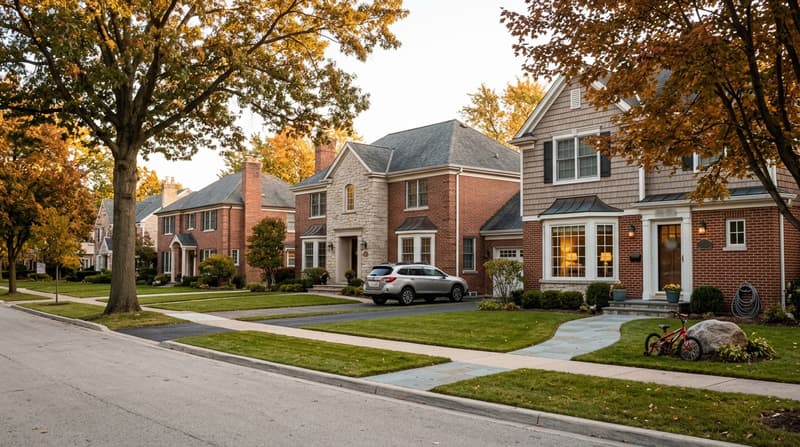
Buying a detached home gives you full title to both the physical structure and the land beneath it. You carry individual responsibility for siding, roofing, windows, foundation work, landscaping, and private utility connections. Condominium ownership splits property obligations between you and a collective homeowners association. A condominium buyer owns the interior living space within the perimeter walls, while the association preserves the building envelope, roofing, and shared hallways. Association members contribute recurring monthly dues to fund these communal building services, collective insurance policies, and long-term capital reserves.
Townhomes provide an alternative structure where you generally hold title to both the interior and the ground footprint. Depending on the development, an association may still manage exterior paint, roof repairs, lawn care, and shared driveways. Multi-unit properties place an entire building with multiple residential units under a single title. Owning a multi-unit property requires you to finance every common utility, structural repair, and interior fixture across all units. Condos and townhomes attach mandatory monthly association fees to your standard mortgage and property tax payments. Detached houses and multi-unit buildings eliminate association fees but require you to budget directly for future capital expenses.
Naperville encompasses 47,000 residential homes, and owner-occupied dwellings represent 80.0% of this total supply. The median year built across the city is 1984. In August 2026, the local real estate market posted a median sold price of $512,000 across 58 closed transactions. Properties sold during that month achieved an average list-to-sale price ratio of 97.6%. Homes moved through the transaction process in an average of 20 days on the market. Market activity in August 2026 brought 73 new listings, which left buyers with 227 active properties to evaluate.
Living with an HOA or condo association
When you purchase a resale condominium in Naperville, state statutes define a formal disclosure procedure for buyers. You can request crucial association records through the seller during the purchase process. Under the Condominium Property Act, the seller obtains these official documents directly from the condominium association upon your request. Your attorney examines the entire document package during the attorney review window, allowing you to examine the operational framework of the community.
The resale disclosure materials cover both legal governance and the financial health of the development. You receive the condominium declaration and bylaws, which detail the community rules, policies, and ownership regulations. The association also provides the current operating budget along with documentation of its capital reserves. Additionally, the records disclose the assessment history, any anticipated special assessments, and information regarding any pending litigation involving the association.
Evaluating the reserve funds and anticipated special assessments reveals whether future capital expenditures might require additional owner contributions. Looking at the assessment history shows the stability of regular dues over time. Other property types in the area follow separate legal frameworks. While condominiums fall under the Condominium Property Act, townhome and other common-interest associations follow the Common Interest Community Association Act. Careful review of these required disclosures gives you a complete perspective on community governance.
Owner-occupied multi-unit
Purchasing a two-to-four-unit residential property allows you to live in one unit while leasing out the remaining spaces. Residential financing for owner occupants applies to properties containing up to four distinct living spaces. Lenders treat the purchase as a primary residence when you occupy one of the suites yourself. This structure often allows you to secure residential loan options that feature lower down payment minimums than commercial investment mortgages. Anticipated rental revenue from the additional units can also assist with loan qualification criteria.
Operating as a resident landlord involves steady day-to-day property management duties. You take on the responsibility for maintaining heating systems, plumbing lines, structural foundations, and common areas. Managing active leases, establishing security deposit accounts, and addressing tenant repair requests demand regular oversight throughout the year. You must also maintain appropriate hazard insurance policies tailored for residential properties with multiple rental units.
Local regulations establish clear legal guidelines for rental housing operations. Municipal authorities set building codes, minimum habitability rules, and occupancy thresholds that govern all tenant suites. You should verify local rental registration procedures, zoning restrictions, and inspection rules with municipal departments before signing leases. Staying compliant with these standards helps maintain safe housing across every unit on the property.
New construction and land
Buying new construction involves a process that differs significantly from purchasing an existing resale property. Builder contracts typically favor the developer and use proprietary forms rather than standard residential purchase agreements. You should review these documents carefully before signing, particularly clauses regarding construction delays, material substitutions, and final completion dates. Having your own real estate agent protects your financial interests throughout negotiations and ensures independent oversight during each phase of development.
Earnest money requirements for new builds often exceed traditional deposits, and builders frequently structure payments across specific project milestones. These funds can become nonrefundable once foundation work begins or custom design selections are finalized. Build schedules also vary widely depending on municipal permitting, weather conditions, material supply chains, and labor availability.
Most builders provide written warranties that outline specific coverage periods for cosmetic finishes, mechanical systems, and structural components. You should examine the exact terms, transferability rules, and formal dispute procedures before you complete the purchase. Independent home inspections remain essential at key stages of the build, including the pre-pour foundation phase, the pre-drywall phase, and the final walk-through inspection.
How title is held
When you purchase a home in Naperville, you must determine the legal structure used to hold title. Illinois property law provides several options for taking ownership of residential property. Your attorney advises on the choice of title for your transaction, so you do not make this decision alone.
Illinois allows a married couple or civil-union partners to hold their homestead as tenants by the entirety. Holding title as tenants by the entirety shields the home from the individual creditors of one spouse. This form of ownership remains an option specifically for married couples or civil-union partners who own a homestead.
Other common forms for holding title include sole ownership, joint tenancy with right of survivorship, tenancy in common, and land trusts. Because these structures function differently, the buyer's attorney advises on the choice between these available ownership methods. Your legal counsel ensures that you select the ownership structure that matches your specific circumstances.
Sources: Condominium Property Act, 765 ILCS 605/22.1; Common Interest Community Association Act, 765 ILCS 160; Joint Tenancy Act, 765 ILCS 1005/1c.
Written from public sources and the closings recorded on this site; last revised September 21, 2026.












About the author
Blake Morgan
Real Estate Broker, John Greene · IL Broker #475212620
More about Blake →